- Understanding the Two Building Approaches
- Speed of Construction: How Fast Do You Need It?
- Cost Comparison: Upfront and Long-Term
- Aesthetic Appeal: Tradition vs Innovation
- Structural Strength and Durability
- Customization and Design Freedom
- Maintenance Considerations
- Environmental Impact
- When Timber Frame Makes Sense
- When Modular Is the Better Choice
- Common Mistakes to Avoid
- Final Thoughts: Which One Is Worth It?
Choosing the right type of barn or outbuilding is no longer a simple decision. Today’s buyers are balancing tradition, performance, speed, and cost. On one side, you have the timeless appeal of timber frame. On the other hand, modern prefab and modular solutions promise efficiency and affordability.
If you are trying to decide which path makes the most sense, this guide breaks it down in a practical, side-by-side way so you can move forward with confidence.
Understanding the Two Building Approaches
Before comparing, it helps to understand what sets these two options apart.
Timber Frame Construction
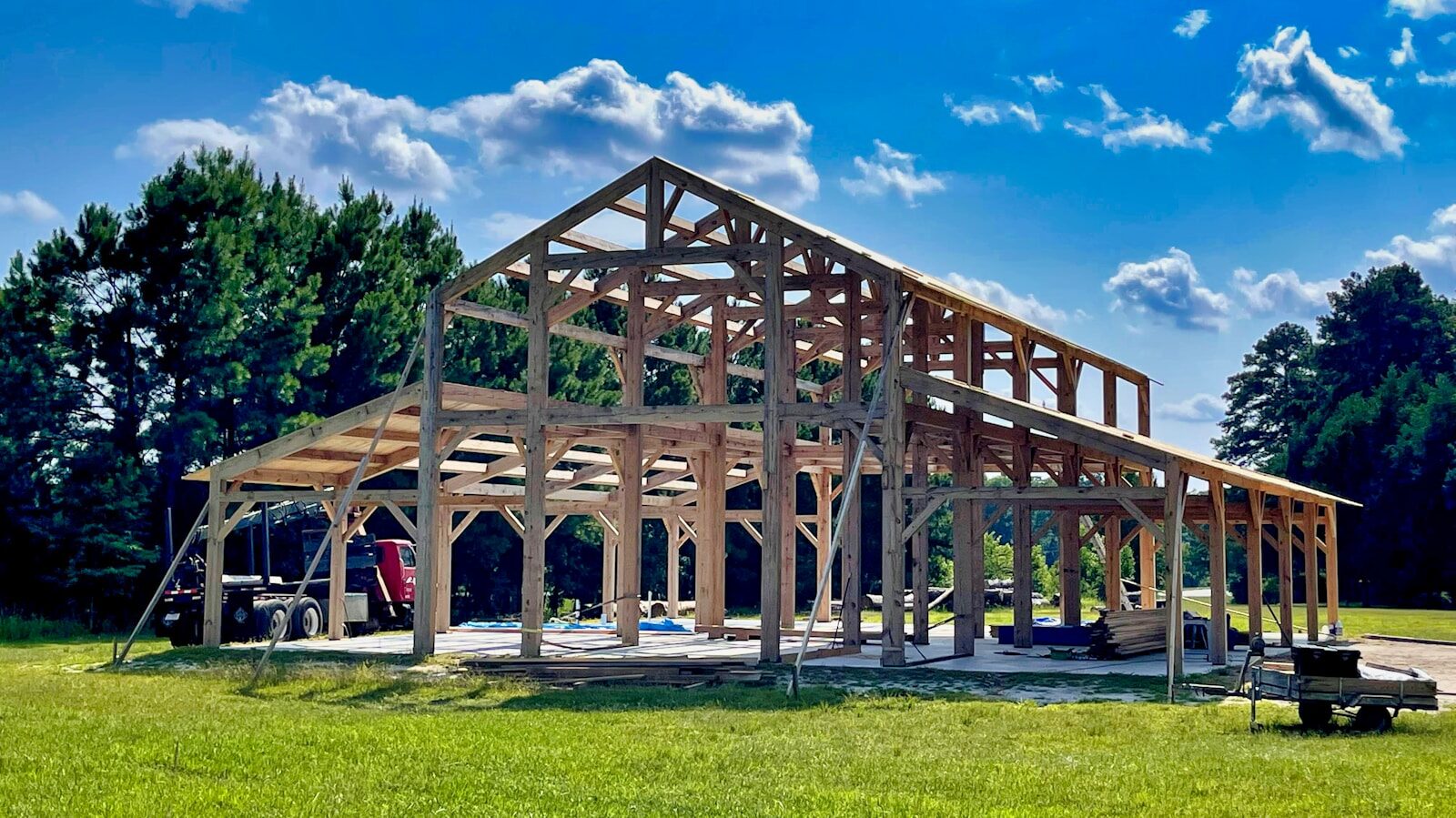
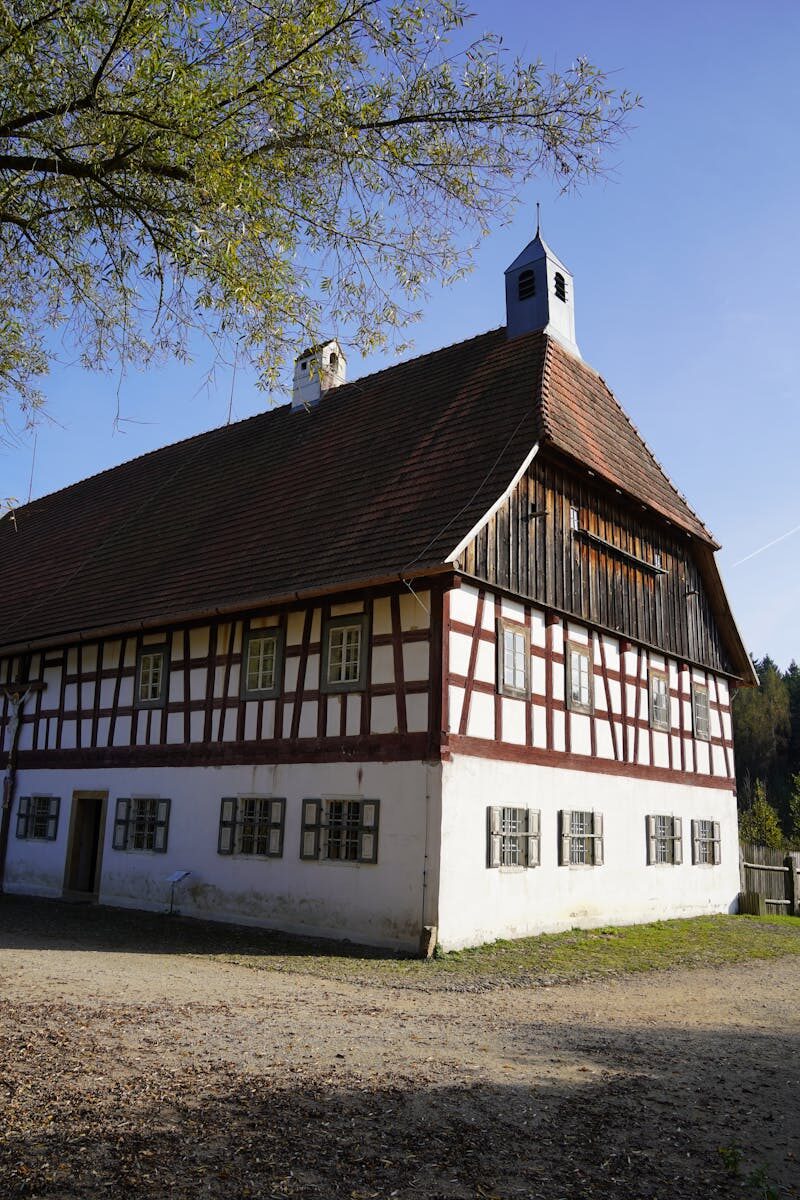
Timber framing is a traditional building method that uses large wooden beams joined with precise joinery. This style dates back centuries and is known for its durability and craftsmanship.
Modern Prefab and Modular Buildings
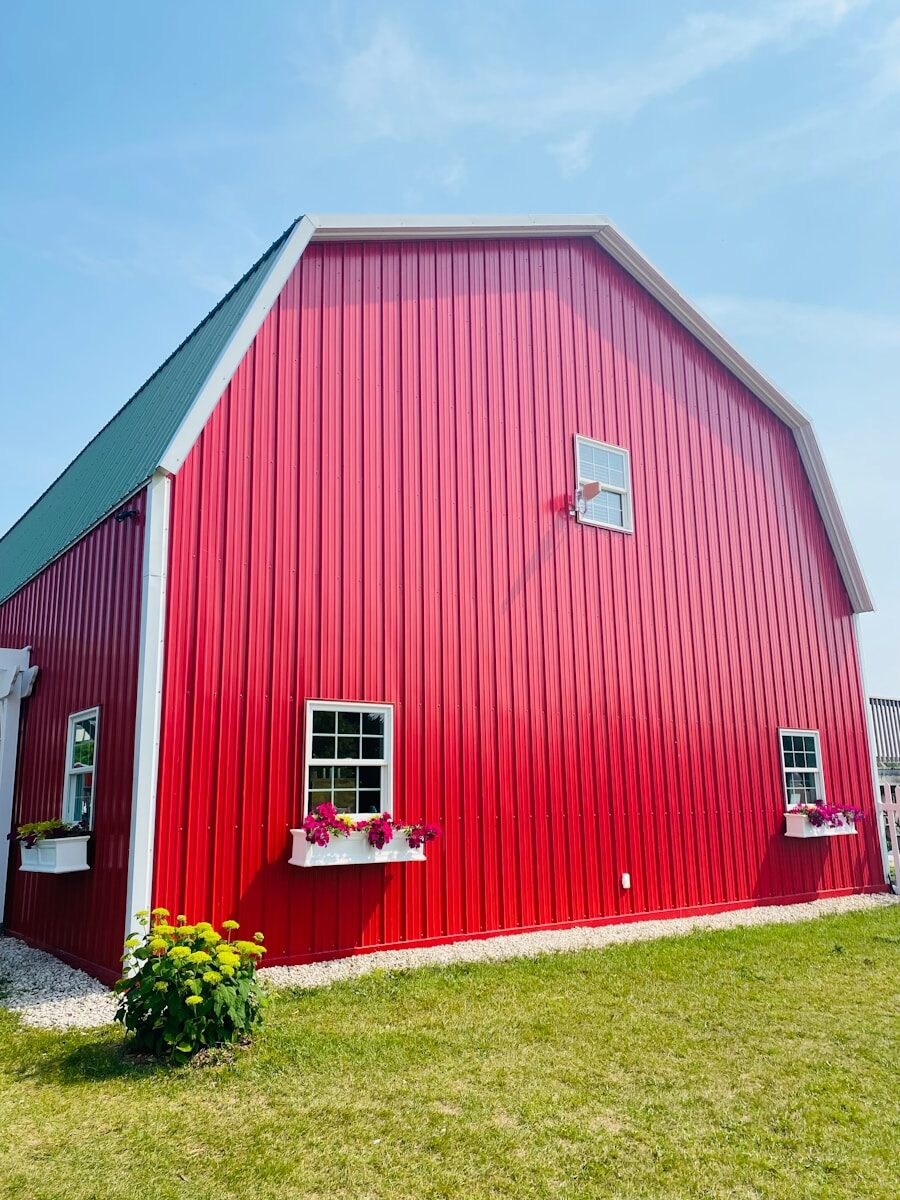
Prefab and modular buildings are manufactured off-site in controlled environments and then assembled on location. These systems rely on engineered materials and streamlined processes to reduce build time and cost.
Speed of Construction: How Fast Do You Need It?
One of the biggest differences between the two options is the timeline.
Timber Frame Timeline
Timber frame structures typically require:
- Custom design and engineering
- Skilled craftsmanship
- On-site assembly that can take weeks or months
Modular Construction Timeline
Prefab buildings are designed for speed:
- Components are built in a factory setting
- Weather delays are minimized
- Installation can often be completed in days or weeks
If timing is critical, many buyers start to view modular building options as a practical solution that keeps projects on track without long delays.
Cost Comparison: Upfront and Long-Term
Budget is often the deciding factor, so it is important to look beyond just the initial price.
Timber Frame Costs
Timber framing tends to be more expensive due to:
- High-quality lumber
- Skilled labor requirements
- Custom design work
However, these buildings can last for generations when properly maintained, which adds long-term value.
Prefab and Modular Costs
Prefab buildings are generally more cost-effective:
- Bulk manufacturing lowers material costs
- Less labor is required on-site
- Faster builds reduce overall project expenses
For many property owners, this makes modular construction a more accessible entry point.
Aesthetic Appeal: Tradition vs Innovation
Visual appeal plays a big role, especially if your barn is part of a residential or commercial property.
Timber Frame Look
Timber frames are known for:
- Exposed beams
- Natural wood finishes
- Classic, rustic charm
This style is difficult to replicate fully and is often chosen for its authenticity.
Modular Design Flexibility
Modern prefab buildings have evolved significantly:
- Exterior finishes can mimic wood
- Custom facades create a traditional appearance
- Interior layouts can be highly adaptable
While not identical, today’s modular designs can come surprisingly close to the look of traditional structures.
Structural Strength and Durability
A barn is an investment, so durability matters.
Timber Frame Strength
Timber frame structures are incredibly strong:
- Thick beams provide excellent load-bearing capacity
- Joinery techniques distribute weight effectively
- Proven longevity over centuries
These buildings perform well in various climates when properly designed.
Modular Building Strength
Prefab structures rely on engineered systems:
- Steel or engineered wood components
- Precision manufacturing for consistent quality
- Built to meet modern building codes
While different in construction, many modular buildings offer excellent durability and reliability.
Customization and Design Freedom
How much control do you want over the final design?
Timber Frame Flexibility
Timber framing offers:
- Fully custom layouts
- Unique architectural features
- One-of-a-kind craftsmanship
This level of personalization is ideal for buyers who want something truly distinctive.
Modular Customization
Prefab buildings are more standardized but still flexible:
- Pre-designed layouts with optional upgrades
- Custom finishes and add-ons
- Scalable designs for future expansion
For many projects, this balance between customization and efficiency works well.
Maintenance Considerations
Ongoing upkeep is another factor that often gets overlooked.
Timber Frame Maintenance
Wood structures require regular care:
- Sealing and staining
- Protection against moisture and pests
- Periodic inspections
These buildings can last for decades or more.
Modular Maintenance
Prefab buildings are typically lower maintenance:
- Engineered materials resist wear
- Less exposure to natural vulnerabilities
- Easier repairs and replacements
That can reduce long-term effort and costs.
Environmental Impact
Sustainability is becoming a priority for many buyers.
Timber Frame Sustainability
- Uses natural materials
- Can be sourced responsibly
- Long lifespan reduces replacement needs
Modular Sustainability
- Reduced construction waste
- Efficient material usage
- Energy-efficient design options
Both options can be environmentally responsible depending on how they are built and maintained.
When Timber Frame Makes Sense
There are situations where timber framing stands out.
You might prefer this option if you:
- Value traditional craftsmanship
- Want a visually striking structure
- Plan for long-term ownership
- Appreciate natural materials
Many buyers who prioritize aesthetics and heritage choose high-quality timber frame barns for these reasons, even with the higher upfront investment.
When Modular Is the Better Choice
Prefab and modular buildings shine in practical scenarios.
This option may suit you if you:
- Need a faster build timeline
- Have a limited budget
- Want predictable costs
- Prefer lower maintenance
Modern modular construction has closed much of the gap in appearance while maintaining its efficiency advantages.
Common Mistakes to Avoid
No matter which option you choose, avoid these common pitfalls:
- Focusing only on upfront cost
- Consider long-term value, maintenance, and usability.
- Ignoring site conditions
- Soil, weather, and location can impact both options differently.
- Overlooking future needs
- Consider expansion, storage, or other uses.
- Choosing based on looks alone
- Aesthetic appeal matters, but functionality should come first.
Final Thoughts: Which One Is Worth It?
There is no one-size-fits-all answer. The right choice depends on your priorities.
If you want timeless beauty, craftsmanship, and a structure that stands out, timber frame is hard to beat. If your focus is speed, cost-efficiency, and modern convenience, prefab and modular options offer strong advantages.
The good news is that both approaches have improved significantly. Today’s buyers can choose between tradition and innovation without sacrificing quality.