- Key Takeaways
- Why Early Recovery Can Feel Unsteady
- How A Simple Routine Creates Stability
- Structure Should Leave Room For Real Life
- The Role Of Community In Recovery
- Ways To Build A Healthy Support Circle
- Why Time Outdoors May Help
- Low-Pressure Outdoor Activities To Try
- Turning Healthy Activities Into Recovery Skills
- Building A Recovery-Friendly Day
- What To Do When The Routine Breaks
- How Family Members Can Offer Useful Support
- Questions To Ask About A Recovery Program
- Conclusion
Key Takeaways
- A simple routine can reduce decision fatigue and create room for healthier choices.
- Connection with peers, family, and professionals can reduce isolation.
- Outdoor time may support mood and stress management, but it is not a replacement for treatment.
- Small actions, repeated consistently, matter more than a perfect day.
Early recovery is not only about stopping substance use. It is also about learning how to build a day that feels safe, purposeful, and manageable.
For people considering a more structured setting, recovery ranch rehab in Boulder, Colorado, is one example of a care environment centered on routine, connection, clinical support, and healthy activities.
There is no single formula for recovery, but a few steady supports can make a meaningful difference: predictable habits, trustworthy people, and time away from stressful environments. These tools work best alongside individualized treatment, not in place of it.
Why Early Recovery Can Feel Unsteady
The first stage of recovery can bring disrupted sleep, changing energy, low motivation, difficult emotions, and trouble concentrating. These experiences do not mean someone is failing. They often reflect the challenge of adjusting to life without old habits, substances, or routines.
Unplanned time can be especially difficult. Someone may stop using substances but still wonder how to fill an evening, respond to stress, or handle a craving. Withdrawal symptoms, severe anxiety, depression, or other mental health concerns should always be discussed with qualified medical or behavioral health professionals.
How A Simple Routine Creates Stability
Structure does not need to mean scheduling every minute. It means creating a few reliable points in the day so basic needs and recovery priorities do not get lost when stress rises.
- Choose a reasonably consistent wake-up time.
- Plan regular meals, water, and prescribed medications as directed.
- Set one or two realistic tasks for the day.
- Schedule treatment, a meeting, or a check-in with support.
- Leave time for rest, movement, and a calming bedtime routine.

Structure Should Leave Room For Real Life
A useful schedule supports recovery without becoming another source of pressure. Work demands, childcare, illness, transportation problems, and unexpected emotions happen. Rather than planning every hour, use a few “anchor points,” such as breakfast, an afternoon check-in, and a regular wind-down time.
It also helps to keep a shorter routine for hard days. That version may include eating something, taking a shower, sending one text, attending one appointment, and going to bed safely. If a meeting is canceled, have a backup plan such as a walk, journaling, or calling a trusted person.
The Role Of Community In Recovery
Recovery can become harder when a person feels alone with cravings, shame, or uncertainty. The emotional weight of these feelings can create a sense of isolation, making it challenging to navigate the healing journey.
However, support can come from various sources, including counselors, peer groups, trusted friends, family members, faith communities, and recovery organizations. These connections are vital, as they not only provide encouragement but also foster a sense of belonging that can help counter feelings of loneliness.
Engaging with others who understand the complex dynamics of recovery can empower individuals to face their challenges more effectively and instill hope for a brighter future.
Ways To Build A Healthy Support Circle
- Identify two people to contact during a difficult moment.
- Try support groups that fit personal values and comfort levels.
- Set boundaries with people who encourage substance use.
- Tell trusted supporters about personal warning signs.
- Keep professional appointments and ask direct questions.
Why Time Outdoors May Help
Walking, gardening, sitting in a park, or simply noticing the weather can provide a pause from stress and help a person reconnect with the present moment. A systematic review of nature-based interventions found potential benefits for stress, anxiety, depression, relaxation, and positive mood, while also noting that stronger research is still needed.
Outdoor activity is a wellness tool, not a stand-alone treatment for substance use disorder. It should complement therapy, medication management, peer support, withdrawal care, and other services when needed.
Low-Pressure Outdoor Activities To Try
- Take a 10-minute walk after breakfast.
- Visit a nearby park with a supportive friend.
- Try gentle stretching outside.
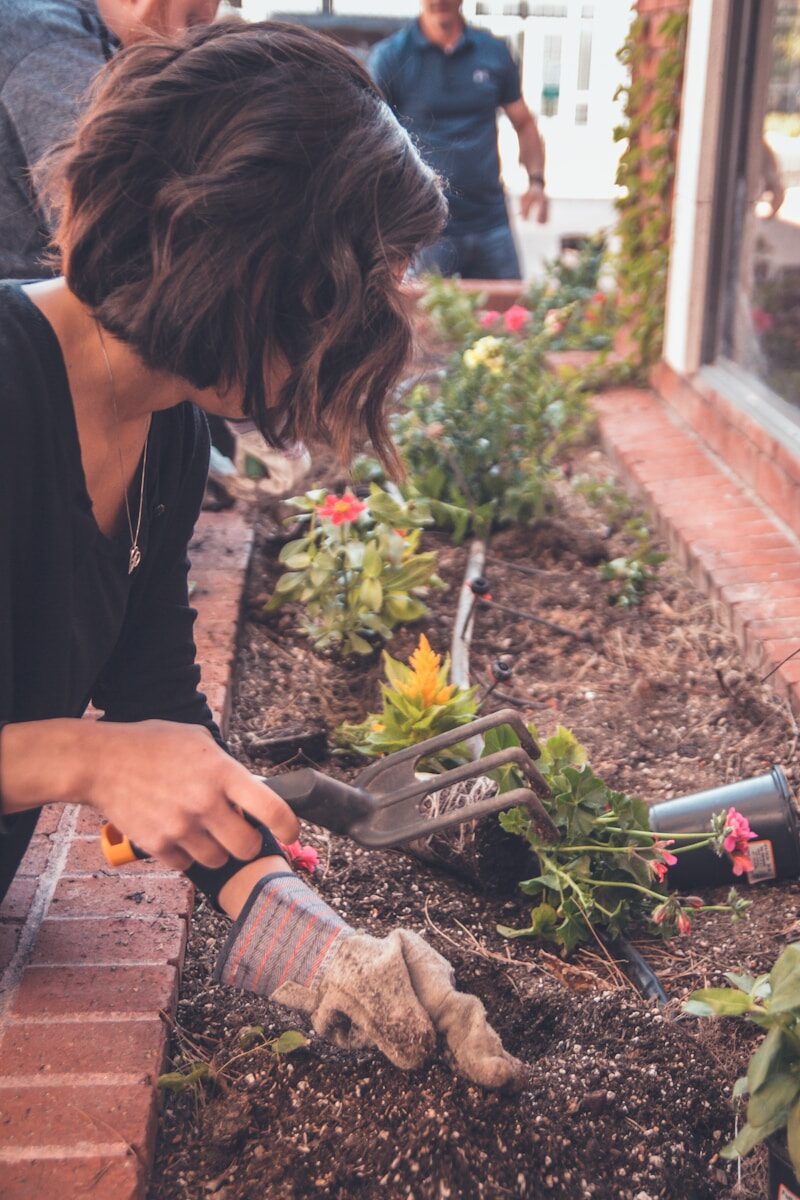
- Care for houseplants or a small garden.
- Practice slow breathing while noticing light, sounds, and movement.
Turning Healthy Activities Into Recovery Skills
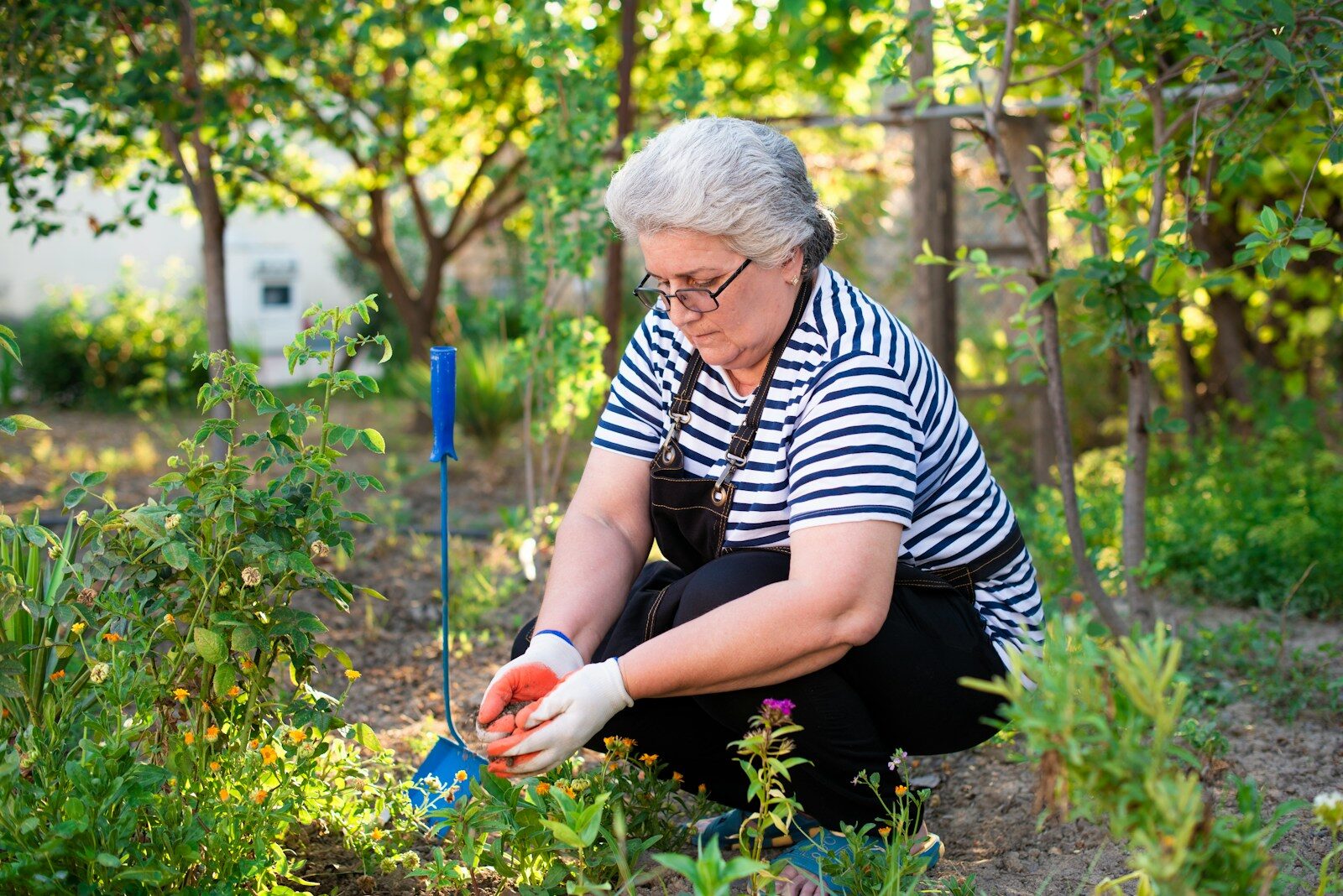
Everyday activities can become practical recovery skills. A walk can create space between a craving and a response. Gardening can reinforce patience through repeated small actions. Group recreation can help people practice connection without substances. Mindful observation can redirect attention from a stressful thought to what is happening right now.
Building A Recovery-Friendly Day
A realistic day may include a morning meal, medications as prescribed, and a quick review of priorities. Midday can involve work, school, treatment, or another purposeful activity. In the afternoon, complete one practical task and rest if needed. During the evening, connect with support, attend a meeting, or choose a calming activity. Before bed, prepare for tomorrow and reduce stimulation when possible.
What To Do When The Routine Breaks
Missed meetings, arguments, poor sleep, and unexpected cravings do not erase progress. The goal is to return to the next helpful action instead of waiting for a perfect restart.
- Pause and identify what changed.
- Contact a trusted person or care professional.
- Eat, hydrate, and rest if basic needs were missed.
- Leave unsafe settings or situations.
- Return to one manageable part of the routine.
If there is an immediate risk of overdose, self-harm, or harm to others, call 911 or seek emergency help right away.
How Family Members Can Offer Useful Support
Family members can support recovery without taking responsibility for someone else’s choices. Ask what kind of help would be useful, encourage appointments and healthy routines when appropriate, and avoid shaming language during moments of distress. Clear boundaries, calm communication, overdose education, and support for caregiver stress can help families stay grounded, too.
Questions To Ask About A Recovery Program
- What level of care fits the person’s medical and emotional needs?
- How is the daily schedule designed?
- Are mental health concerns assessed and treated?
- How are medications and continuing care handled?
- What happens if a person returns to substance use?
- How can family members participate appropriately?
Conclusion
Early recovery becomes more manageable when each day includes a few dependable supports. Routine can guide decisions, community can reduce isolation, and time outdoors can create room to slow down. Together with professional care, these practices can help turn recovery goals into practical actions throughout 2026 and beyond.