
Key Takeaways
- Consistency in meal planning and calorie intake streamlines decision-making and improves outcomes.
- Minimally processed foods offer nutritional advantages for sustainable weight loss.
- Combining medication with foundational healthy habits can enhance long-term weight outcomes.
Achieving and maintaining a healthy weight is more challenging than ever in the fast-paced world we navigate every day. With endless demands and frequent distractions, many find it difficult to prioritize healthy choices.
However, you can reach your goals by integrating strategies such as routine meal planning and mindful eating into your daily life. Adopting a holistic weight loss approach can significantly improve your long-term results, making weight loss more achievable and sustainable in today’s environment.
Many strategies touted for weight loss can be overwhelming or unsustainable, but a focus on simplicity, consistency, and food quality can deliver long-lasting results. Small, meaningful habits tailored to the realities of modern life are key to overcoming obstacles and building a healthier future. With personalized routines and more informed food choices, you can find success without unnecessary hardship.
Consistency in Meal Planning
Sticking to a routine with meal choices can have a powerful effect on your weight-loss journey. According to research in Health Psychology, individuals who chose similar foods and maintained a steady calorie intake lost more weight and reported less stress about their eating decisions than those with varied diets. This strategy reduces decision fatigue, a psychological barrier that often leads to unhealthy food choices.
Planning meals in advance supports this approach. When you map out your week, you can prepare balanced, nutritious meals that fit your goals, while still allowing for some flexibility. Consistency does not mean monotony; rotating several healthy options maintains interest while reinforcing the habit of healthy eating. For more on the science behind decision fatigue, visit the Cleveland Clinic.
Many people struggle with meal planning due to time constraints or a lack of cooking experience, but even making small adjustments can be beneficial. Start by identifying a few simple, healthy recipes you enjoy and can prepare quickly. Batch-cooking on weekends, prepping ingredients in advance, or using a slow cooker are practical ways to ensure you have nutritious meals throughout the week.
Keep a shopping list on hand to avoid last-minute temptations and reduce food waste. Over time, these routines will help reinforce your new habits and reduce stress around eating, thereby supporting greater adherence to your weight-loss plan.
Choosing Minimally Processed Foods
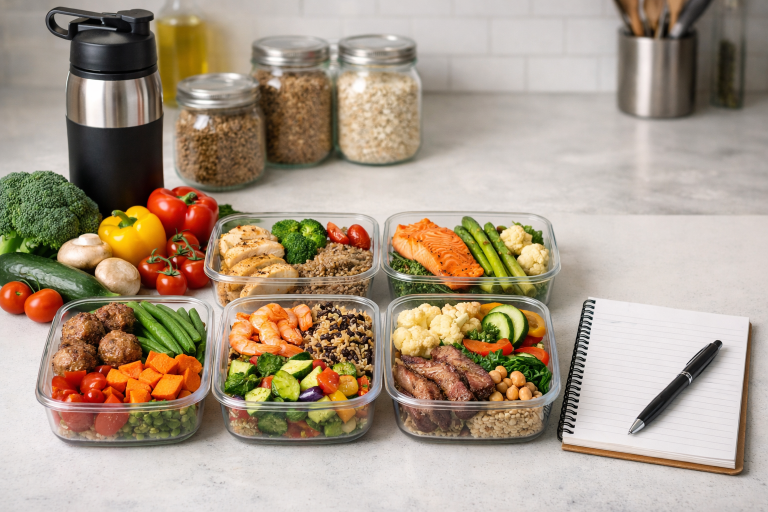
Choosing whole, minimally processed foods is a foundational habit for sustainable weight loss. Meals centered around fresh vegetables, fruits, whole grains, lean proteins, and healthy fats provide essential nutrients without the added sugars, unhealthy fats, and preservatives often found in ultra-processed foods.
A study published in Nature Medicine shows that diets rich in these whole foods promote greater weight loss and improved metabolic health, regardless of calorie content.
Even seemingly “healthy” processed foods can sabotage progress. Foods like granola bars, flavored yogurts, or low-calorie snack packs can contain hidden sugars or additives. Instead, create meals around ingredients in their natural forms, such as roasted vegetables, grilled fish, or hearty grain salads.
Nutritional quality and calorie content are vital for achieving your goals. Additional information on the health risks associated with ultra-processed foods can be found in this New York Times article.
The benefits of minimally processed foods extend beyond just calories; they also provide antioxidants, fiber, and phytonutrients that help modulate inflammation, boost immunity, and support metabolic health. These natural compounds can reduce insulin resistance and may help curb cravings, making it easier to stick with your routine.
Try experimenting with colorful produce, ancient grains like quinoa or farro, and plant-based proteins like beans and lentils. These swaps do not require drastic changes, but rather a steady incorporation into the meals you already enjoy.
Integrating Medication with Healthy Habits
Medications such as GLP-1 receptor agonists have become popular for weight loss, especially among individuals struggling with obesity or metabolic conditions. However, leading health experts note that medication is most effective when paired with foundational lifestyle changes such as a balanced diet, physical activity, and adequate sleep.
Behavioral modifications, mindful meal planning, and stress management all play a significant role in amplifying the benefits of any prescribed treatment. Without these, medication alone may deliver short-term results but fail to support sustained progress.
The goal is to use medication as a tool within a broader plan that rewards consistency and supports healthier everyday choices. For additional expert discussion, see this CNN health overview.
Healthy habits and medical innovation should go hand in hand, not work in isolation. Speak to your healthcare provider about the best way to integrate medication into your broader lifestyle strategy. Additionally, regular check-ins with a registered dietitian or wellness coach can help keep you accountable and adjust your plan as your needs change over time.
Remember, your body’s response to medication can vary, and results are often optimized when accompanied by lasting behavioral changes and ongoing professional guidance.

Practical Tips for Sustainable Weight Loss
- Plan Your Meals: Dedicate a few minutes each week to planning and preparing healthy meals, ensuring you always have nutritious options on hand.
- Focus on Whole Foods: Build your diet around vegetables, fruits, whole grains, and lean proteins, prioritizing foods as close to their natural state as possible.
- Monitor Portion Sizes: Use smaller plates, measuring cups, or visual cues to keep portions under control and prevent overeating.
- Stay Hydrated: Drinking water before and between meals can help manage hunger and improve overall well-being.
- Incorporate Physical Activity: Consistent movement, such as brisk walking, cycling, or strength training, supports a healthy metabolism and preserves muscle during weight loss.
Remember to set realistic, attainable goals, start with one or two changes at a time to avoid becoming overwhelmed. Track your progress in a journal or on your phone, celebrating milestones along the way, no matter how small. Social support, whether from friends, family, or support groups, can keep you motivated and accountable.
If setbacks occur, view them as opportunities to learn and refine your approach. Persistence is far more important than perfection on the road to health and well-being.
Conclusion
Building sustainable weight loss habits requires more than just willpower or the latest diet trend. The evidence supports a consistent meal routine, a focus on minimally processed, nutrient-dense foods, and the integration of healthy habits with any medical approach. By adopting these proven strategies, you can create a path to lasting weight management and improved overall health that fits your everyday life.
Ultimately, the journey towards sustainable weight loss and a healthier weight is deeply personal. What works for one individual may not suit another, so it’s essential to experiment, remain flexible, and allow yourself time to adjust. Seek inspiration from credible sources, and don’t overlook the importance of self-compassion; progress is seldom linear.
With patience, structured planning, and a commitment to gradual change, you can find a healthy lifestyle that brings joy and energy to every area of your life. Start taking small steps today, and watch as they add up to meaningful, lasting transformation.