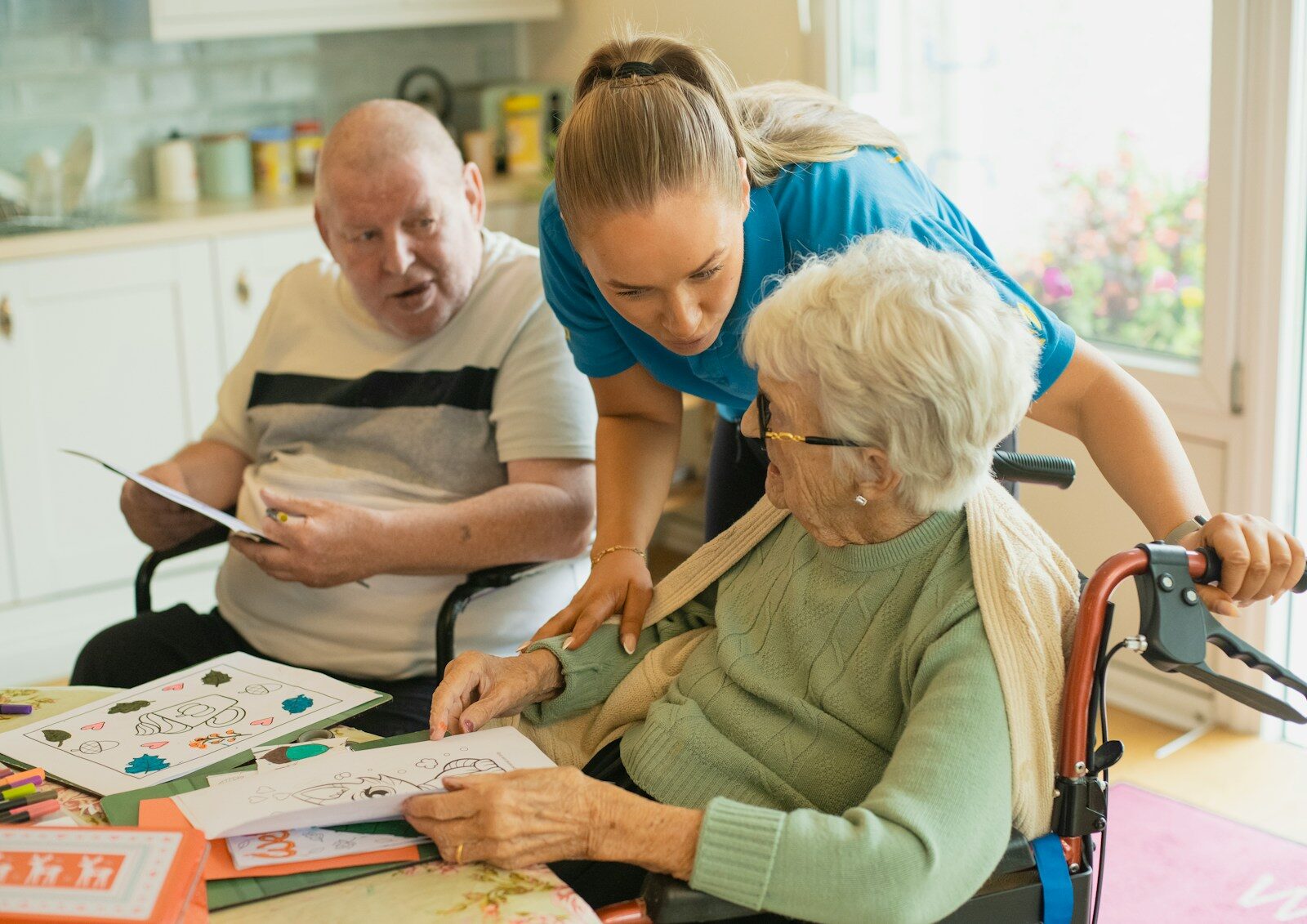
Choosing memory care for a person with dementia may be the most challenging decision families will ever need to make. The guilt, the worry, and the stress of having to determine which facility is best when they all seem to offer the same thing can be overwhelming. Knowing the difference between memory care and custodial care can help families find the right environment for their loved one, as they will receive specialized attention and dementia care.
Memory care is not the same as assisted living, also known as a senior housing community, nor is it a nursing home. These communities are specifically designed for people with dementia, Alzheimer’s, and other related illnesses. The environment, the staff, and all activities are structured to work with a resident rather than against the changes that their illness has caused in their brain.
The Environment Counts
Many quality memory care facilities focus on the environment since this is a significant factor in how residents feel in these facilities. They have secure outdoor areas that allow residents to roam as they like but never get too far and easy access back to the facility. The indoor environments have very simple floor plans to reduce any confusion about where things are located.
Lighting is also a factor. The best memory care communities will use ample natural lighting to avoid agitation that often happens when the sun goes down and to keep circadian rhythms on track. The communal areas have a more homey feel than an institutional one and are less intimidating by strategically placing comfortable chairs in a way that encourages conversation.
When searching for appropriate care options, families often find dementia care near me in St. Louis and similar specialized programs focus heavily on creating environments that feel familiar and non-threatening. These spaces typically include memory boxes outside resident rooms with personal photos and mementos to help people find their way home.
Staff Matters More Than Frills
What matters more than a fancy coffee shop in a facility is how the staff interact with residents while they go about their day. Quality memory care facilities train their caregivers to understand and respond to residents’ behaviors instead of reacting with frustration or medication.
Good memory care staff will learn how to redirect residents instead of correcting them when they become confused. If someone thinks they need to go to work, instead of telling them “you’re retired,” the caregiver will respond, “tell me about your job” to help them remember what they are thinking, then redirect them to something else that makes them happy.
The staff-to-resident ratio in quality memory care facilities will always be higher than what is found in traditional assisted living facilities since people with dementia require more attention than those without dementia. These caregivers will also be consistent, so the residents can get used to seeing the same staff members come in and out of the facility.
Activities Matter
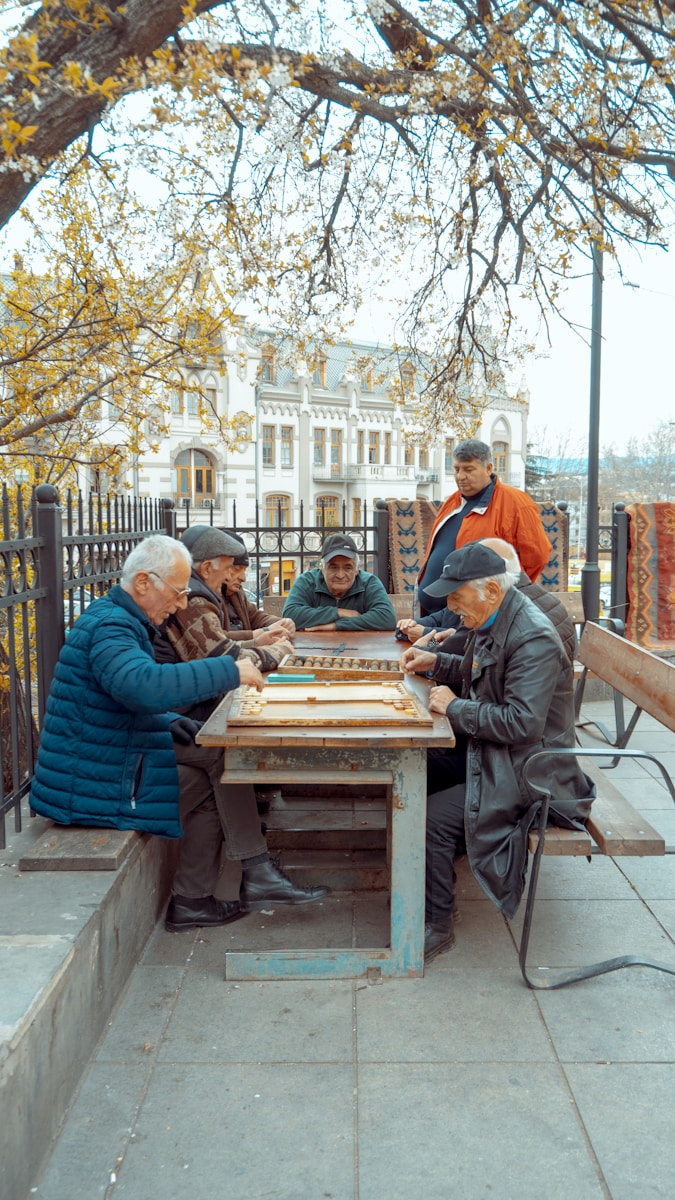
Memory care communities will offer meaningful activities for their residents as they enjoy this when it is structured correctly. These activities should be available since residents have come from environments where unstructured time ultimately proves ineffective for them.
Music therapy, arts and crafts, simple cooking projects or even gardening are all things that bring residents joy, even when their dementia is advanced. These activities will be enjoyable no matter how well they can communicate.
Memory care facilities will provide structure for their residents and a reasonable balance of activities and down time. Meals should be scheduled, as well as the activities in the memory care community, since residents enjoy having structure. Quality program staff will be flexible if someone has a bad day and does not want to participate in scheduled activities but implementing structured schedules should always be balanced with holding space for residents who may need extra attention.
Quality memory care programs will also allow for family participation even if their loved one has entered the facility. Family still matters, and the best facilities will ensure that families come to visit and that family members are involved in the care of the residents.
Medical Care Matters
Memory care facility residents have complex medical needs, even without the dementia itself. Quality memory care facilities will have licensed nurses on duty at all times. They also work with physicians experienced in quality memory care.
Memory care facility residents may need protocols for various things, such as administering medications or handling situations that arise due to wandering, agitated behavior patterns, or even experiences with depression.
Quality memory care will also have safety protocols while keeping these to a minimum so that residents do not feel as if they are imprisoned. Wandering is expected but should not be endorsed at the expense of a resident’s safety. Quality memory care may involve wellness checks, emergency call systems for residents to use, doors that keep them safe but still allow some independence.
Communication Matters
Quality memory care facilities communicate with family members so that they remain updated on what is going on with their loved ones. They send periodic updates about changes in behavior or even health updates. They will encourage family members to ask any questions about what is going on with their loved one at any time.
The best memory care facilities will also help family members cope with their grief after placing their loved one in a memory care community. There may be a grieving process even for family members who are not dealing with communication issues as dementia progresses.
Evaluating Memory Care Facilities
As you evaluate memory care facilities for your loved one, keep this checklist in mind: What do staff interactions look like during mundane activities and not just activities scheduled for entertainment purposes? How do the staff treat your loved one? Does it feel like a purposeful community or an institutional one? Are they pushing for personal interactions?
Quality memory care facilities have specialized environments, trained staff, meaningful activities, flexible schedules, comprehensive medical care, safety protocols, open communication, and family involvement. Take your time to find an appropriate fit for your loved ones, as quality memory care will give you peace of mind.