
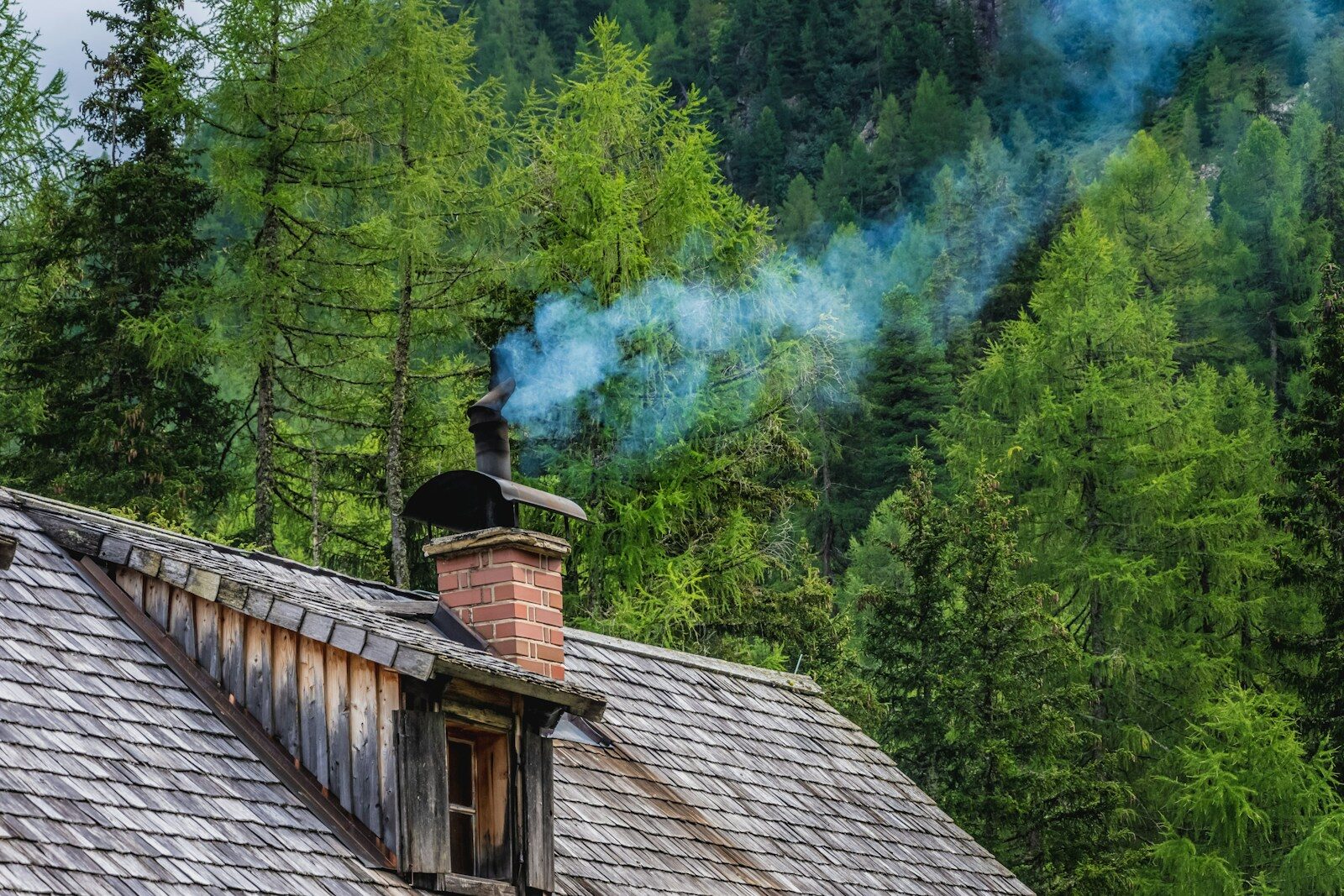
- Key Takeaways for Summer Chimney Maintenance
- Why Summer Is A Smart Time For Chimney Maintenance
- The Main Threats To Watch For
- How To Check For Water Damage
- Why A Clean Flue Matters Before The First Fire
- Inspection Timing And What It Covers
- Different Systems Need Different Checks
- A Simple Summer Chimney Maintenance Checklist
- When To Stop Using The Fireplace
- Common Questions Homeowners Ask about Chimney Maintenance
- Conclusion
Key Takeaways for Summer Chimney Maintenance
- Summer provides time to identify chimney problems before the first cold-weather fire.
- Water, creosote, damaged masonry, blocked flues, and animal nests can create serious risks.
- An annual inspection can uncover issues that are not visible from the fireplace opening.
- Wood-burning, gas, masonry, and factory-built systems each require different maintenance checks.
- Homeowners can spot warning signs, but a qualified professional should evaluate suspected safety issues.
Fireplaces often fall off a homeowner’s routine during summer, making the warm season an ideal time to give the chimney attention. A careful check now can reveal leaks, cracking, blockages, and wear before colder temperatures, storms, and regular fires put the system under greater stress. If you notice warning signs or want to get ahead of fall maintenance, Schedule a call today to discuss the condition of your chimney and fireplace.
Summer weather can still be hard on a chimney. Rain, humidity, wind, and changing temperatures may work moisture into mortar joints, crowns, flashing, and masonry. A homeowner may first notice a musty smell near the hearth or a faint stain on the ceiling after a storm, even though the damage began months earlier.
Why Summer Is A Smart Time For Chimney Maintenance
Waiting until the first cold snap can turn a manageable repair into an urgent scheduling problem. Summer allows time to inspect the visible structure, make repairs, clean the flue if necessary, and test the fireplace before it is needed. Early planning also helps homeowners separate urgent safety work from cosmetic improvements, rather than making rushed decisions when temperatures drop.
The Main Threats To Watch For
Most chimney problems involve either moisture, combustion residue, or airflow. Water can enter through a damaged cap, cracked crown, failing flashing, open mortar joints, or worn masonry. Once moisture reaches the chimney system, it can stain interior finishes, corrode metal components, loosen bricks, and worsen during freeze-and-thaw weather.
For a closer look at the common causes of chimney leaks, consider how a small opening near the roofline can send water into the attic, walls, or firebox without immediately creating an obvious puddle. Creosote in wood-burning flues, animal nests, leaves, and other debris can also restrict airflow. Cracked liners and draft problems may allow smoke, odors, heat, or combustion gases to travel where they should not.
How To Check For Water Damage
A homeowner should not climb onto a roof or attempt to dismantle chimney components. However, a ground-level and indoor visual check can reveal useful clues:
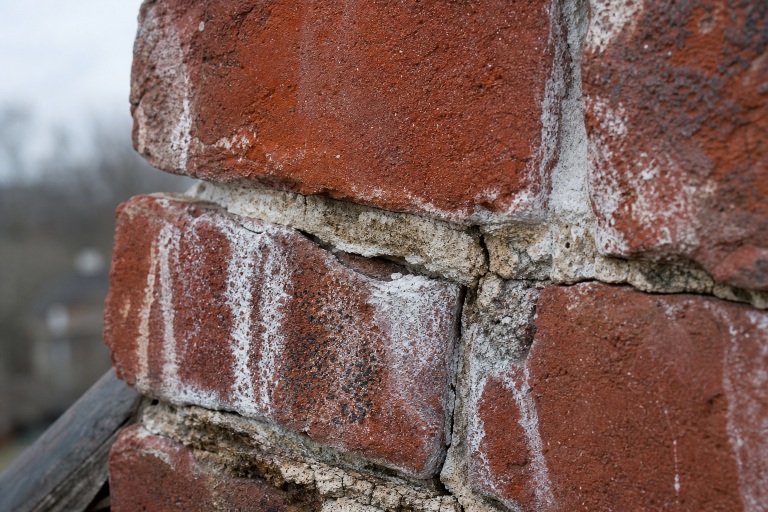
- Look for white staining, crumbling mortar, loose bricks, or cracked masonry on the exterior.
- Check ceilings and walls around the chimney for discoloration, peeling paint, or bubbling finishes.
- Notice damp or musty odors near the fireplace, especially after heavy rain.
- Inspect accessible attic areas for wet insulation, stained framing, or marks around the roof opening.
- From the ground, look for a missing, crooked, rusty, or visibly damaged chimney cap and flashing.
Water damage can remain hidden behind walls or above ceilings for a long time. A prompt inspection is especially important when stains return after storms, masonry begins shedding material, or indoor odors persist.
Why A Clean Flue Matters Before The First Fire
Wood fires create soot and creosote, which can collect along the flue as smoke cools on its way outside. A chimney may appear clean at the fireplace opening while deposits remain higher in the venting path. Heavy buildup can affect draft and increase the risk of a chimney fire.
Do not ignore strong odors, black residue, falling debris, smoke entering the room, or a fireplace that suddenly performs poorly. Basic ash removal is a homeowner task, but a full cleaning and flue evaluation may be necessary when deposits are heavy, a blockage is suspected, or the chimney is difficult to access safely.
Inspection Timing And What It Covers
Scheduling an inspection before the heating season helps identify concerns and makes repairs easier to arrange. A thorough visit should include a review of the appliance, the visible chimney structure, the flue or venting path, the firebox, clearances, damper operation, and signs of water or heat damage.
The annual chimney inspection guidance from the Chimney Safety Institute of America recommends that chimneys, fireplaces, and vents be inspected at least once each year and cleaned or repaired as needed.
Different Systems Need Different Checks
Wood-Burning Fireplaces
Check for creosote, excess ash, cracked firebrick, damaged dampers, and possible liner problems. Firewood should be stored off the ground in a dry, well-ventilated area so it can season properly before use.
Gas Fireplaces
Watch for unusual odors, weak or irregular flames, ignition trouble, damaged glass, and blocked air openings. Follow the appliance manufacturer’s maintenance instructions and avoid treating a gas fireplace like a wood-burning system.
Masonry Chimneys
Look for cracked bricks, open mortar joints, leaning sections, and damaged crowns. Small masonry failures deserve prompt attention because water can enlarge them significantly during freezing weather.
Factory-Built Systems
Inspect for rust, loose connections, damaged panels, or altered components. Only use replacement parts approved for the specific system, since improper changes can affect clearances and venting performance.
A Simple Summer Chimney Maintenance Checklist
- Review the date and findings of the last inspection or cleaning.
- Walk around the home and check the chimney exterior for visible deterioration.
- Look indoors for stains, odors, leaks, smoke residue, or falling debris.
- Test smoke alarms and carbon monoxide alarms according to their manufacturer’s instructions.
- Keep plants, stored materials, and combustibles away from the fireplace area.
- Document repairs, inspection reports, and any appliance changes for future reference.
When To Stop Using The Fireplace
Stop using the fireplace if smoke enters the room during normal use, water appears in or around the firebox, masonry or liner pieces fall inside, or the chimney has major cracking, movement, or a strong, unexplained odor.
A carbon monoxide alarm, a suspected chimney fire, or an active fire requires immediate action. Leave the area and contact emergency services when there is an active fire or carbon monoxide warning. Keep the system out of service until it has been professionally checked.
How To Plan Repairs Without Wasting Money
Start by separating immediate safety concerns from appearance-related work. Ask for a written explanation of the problem, photos of hard-to-see areas when possible, and a clear description of whether the repair fixes the source of the damage or only covers its symptoms.
Compare options for durability and compatibility with the existing chimney, not price alone. Keep invoices and reports because they can support future chimney maintenance decisions and home sale records.
Common Questions Homeowners Ask about Chimney Maintenance
Does A Rarely Used Fireplace Still Need Inspection?
Yes. Limited use does not prevent moisture intrusion, animal entry, debris buildup, structural wear, or venting problems.
Can A Chimney Leak Without Water In The Firebox?
Yes. Water may first appear in the attic, on ceilings, along walls, or within the masonry itself.
Is A Chimney Cap Only For Rain?
No. A properly fitted cap can also help keep out leaves, debris, and animals while protecting the flue opening.
Conclusion
Summer chimney maintenance gives homeowners a valuable opportunity to identify minor problems before colder weather brings more frequent fireplace use. A visual inspection, annual professional check, timely cleaning, and prompt attention to leaks or damaged masonry can help protect the chimney, fireplace, and surrounding home.
Checking early also provides more time to schedule repairs before the busy heating season. Keep records of inspections and repairs, and avoid using the fireplace whenever smoke, unusual odors, visible damage, blockages, or other warning signs suggest that the system may be unsafe.
Also read: Proactive Roof Maintenance: 7 Essential Tips to Extend Your Roof’s Lifespan

Be First to Comment