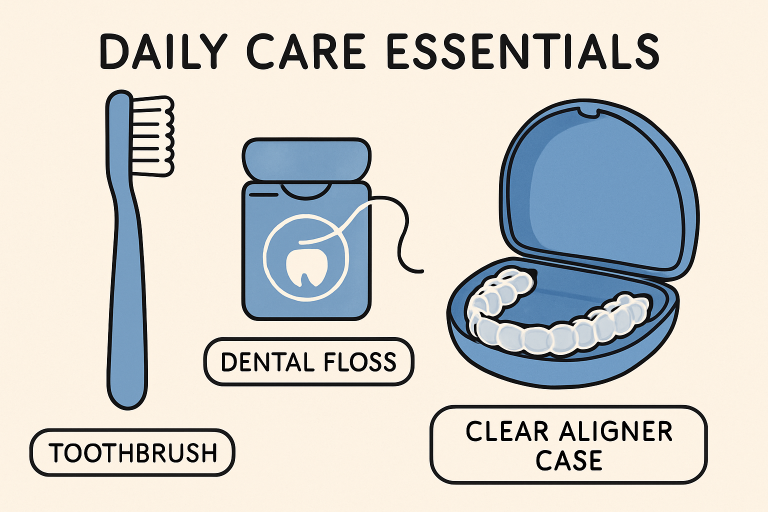
Brush and floss after every meal to prevent food and bacteria from becoming trapped. Clean your aligners regularly to maintain freshness and clarity. Only drink water while wearing your aligners, and avoid eating with them in. Schedule routine dental check-ups and store your aligners properly. Use additional oral hygiene tools, such as interdental brushes or water flossers, for optimal cleaning.
Clear aligners have become a game-changer in orthodontic care, providing an almost invisible and comfortable alternative to traditional braces. One of the greatest benefits of clear aligners is their removability; however, this flexibility also comes with the responsibility of maintaining meticulous oral hygiene. If you’re considering or already using Invisalign Chattanooga, TN, keeping your teeth and aligners clean is essential for a healthy, beautiful smile both during and after treatment.
Taking steps to care for your mouth and aligners daily doesn’t just maintain appliance clarity—it helps prevent common dental issues like cavities, decay, and gum disease. Adopting these habits can make your overall aligner experience more comfortable, minimize treatment delays, and yield the best results possible.
Overlooking oral hygiene can quickly become problematic, as aligners can trap food debris and bacteria against your teeth. This makes diligent cleaning before and after wearing them an absolute must. With the right hygiene routine, you can confidently enjoy both your aligner treatment and everyday life with fewer worries about your dental health or appearance.
Following simple but thorough care practices can ensure your clear aligners function well throughout your treatment journey, while also helping keep your breath fresh and your gums healthy. Each tip below is designed to support your dental health and maximize the effectiveness of your aligners, transforming the way you approach orthodontic care.
Brush and Floss After Every Meal
Wearing clear aligners means food particles and plaque can easily become trapped between teeth and the appliance, creating a fertile environment for bacteria. Always brush and floss thoroughly after every meal, including snacks, before reinserting your aligners. This removes debris, reduces plaque buildup, and helps prevent both cavities and gum inflammation. If brushing isn’t possible, at least rinse your mouth and aligners with water until you can brush properly.
Clean Your Aligners Regularly
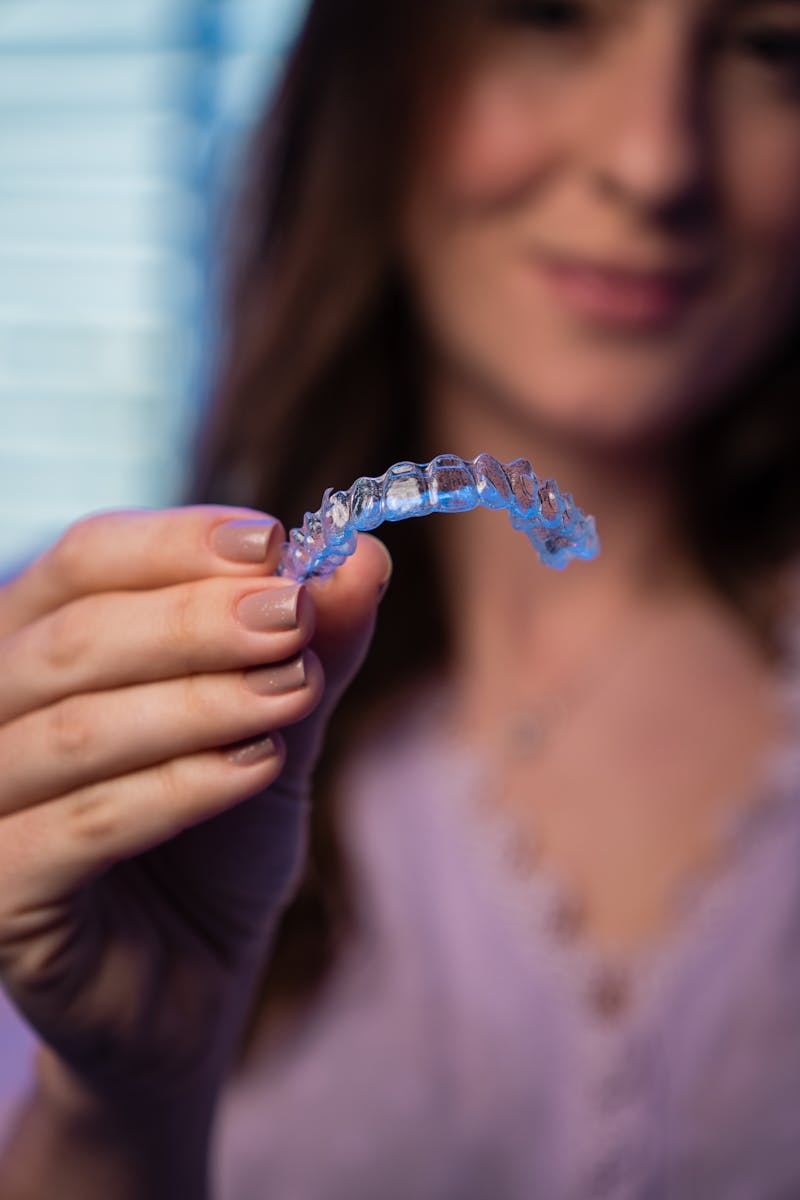
Your aligners require a dedicated cleaning routine separate from your regular teeth cleaning. Rinse them under lukewarm (never hot) water and gently brush with a soft-bristled toothbrush and clear antibacterial soap. Avoid using toothpaste, which can scratch and cloud the aligners, making them more noticeable. Consider soaking aligners in an aligner or retainer cleaning solution for a deeper clean. Make sure to follow your orthodontist’s recommendations—aligners that are well cared for are less likely to experience odors, unsightly stains, or bacterial buildup.
Avoid Eating or Drinking with Aligners In
Clear aligners are durable but not invincible. Eating or drinking anything but water while wearing your aligners can stain or warp the trays, trap food particles, and increase the risk of tooth decay. Always remove your aligners before meals or snacks—this protects both your aligners and teeth, making daily oral hygiene easier to maintain. Brushing before reinsertion prevents lingering sugars and acids from becoming trapped against your enamel.
Stay Hydrated with Water
Water is the only beverage you should consume while your aligners are in place. Drinking plenty of water throughout the day helps rinse away loose debris, keeps your mouth moist, and reduces bad breath. Aligners themselves can sometimes exacerbate dry mouth issues, so regular water intake is doubly important. Avoid sweetened drinks, coffee, and tea while your aligners are in, as these can lead to stains, cavities, or warping of your aligners.
Store Aligners Properly When Not in Use
When not wearing your aligners, please keep them in their protective case. Leaving them exposed can result in contamination, loss, and extra bacterial buildup. Proper storage also keeps them clean, reducing the risk of reinserting contaminated trays and prolonging their usability. If you lose your aligner case, replace it immediately to avoid setting your trays on unsanitary surfaces.
Schedule Regular Dental Check-Ups
Keeping up with routine appointments throughout your aligner journey is crucial. Your dentist or orthodontist will monitor your progress, check the fit and health of your gums and teeth, and provide professional cleanings and personalized advice. These visits can also catch issues early, such as signs of decay or improper tray fit, which could otherwise impact your treatment timeline. For more on why routine dental visits matter, explore this article from Healthline.
Be Mindful of Sugar Intake
Sugary foods and drinks pose a greater risk during aligner treatment, as the trays can trap sugar and acids against your teeth, potentially leading to tooth decay. This heightens the risk of enamel erosion and tooth decay, including cavities. Opt for tooth-friendly snacks like crunchy vegetables, cheese, and nuts, and limit sweets to protect your teeth and your investment in orthodontic care. Rinsing your mouth with water or brushing after consuming sugar can help reduce risks if indulging is unavoidable.
Use Interdental Brushes or Water Flossers
In addition to string floss, consider using interdental brushes or a water flosser to clean between teeth and around your aligners. These tools can reach tight spaces that are difficult to clean or easily miss with standard floss. They’re especially helpful for anyone with closely spaced teeth or dental work. Thorough cleaning will help reduce the occurrence of bad breath, gum irritation, and cavities.
Final Thoughts
By maintaining careful oral hygiene habits and regular dental check-ups, you’ll maximize the health and appearance of your smile during clear aligner treatment. With these practices, clear aligners can do their best work—giving you confidence both throughout the process and when you’re ready to show off your final results.