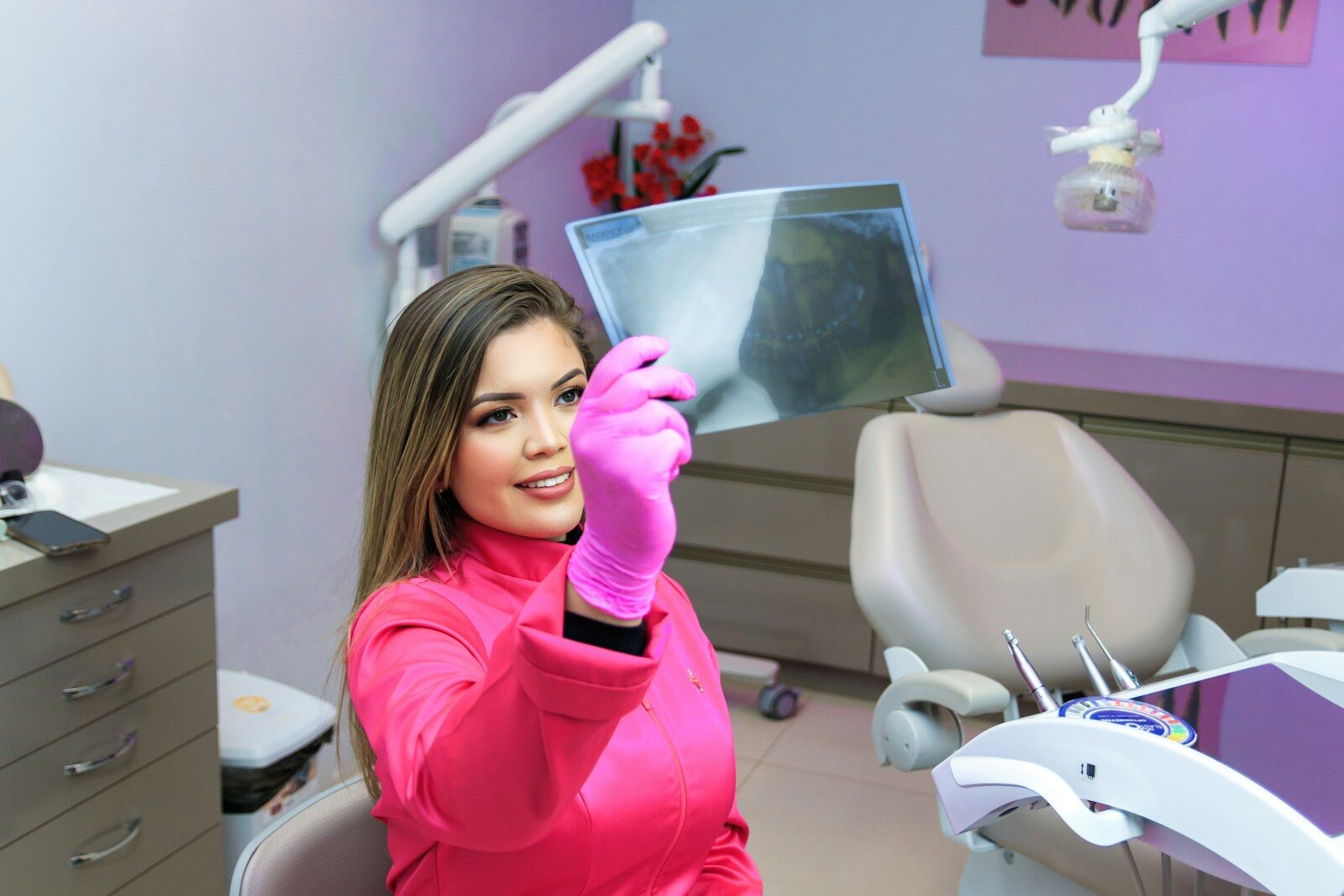
Good oral health is about far more than a beautiful smile. Oral hygiene is deeply connected to your general well-being, impacting systems throughout your body. Preventive dental care, through both daily habits and routine dental visits, can help reduce your risk for a range of serious health issues.
Connecting with the best dentist in your area is one of the smartest moves you can make for your overall health. This article explains why prioritizing preventive dental care benefits not only your mouth but also your whole body.
Regular dental check-ups are essential, as neglecting routine cleanings can result in the silent progression of gum disease, cavities, and infections. Studies consistently show that keeping your gums and teeth healthy is linked to a lower risk of chronic conditions such as heart disease, respiratory infections, and even cognitive decline over time.
With thorough dental care and a few strategic lifestyle choices, these dangers can be managed and minimized, leading to a higher quality of life.
Evidence also suggests that many people underestimate the cost savings of proactive dental visits. Beyond health, preventive dental care can reduce expensive emergency room visits and ongoing medical costs. Education on effective daily care and access to fluoride or sealants makes a substantial difference for kids and adults alike.
Impact on Cardiovascular Health
Maintaining healthy gums can be a direct line to supporting your heart. Scientific research has shown a correlation between periodontal (gum) disease and a higher risk of heart problems. For example, a study in the European Heart Journal found that treating severe gum disease slowed the thickening of carotid arteries, a major risk factor for cardiovascular disease.
The improvements in arterial health after intensive gum therapy were even comparable to those achieved with certain medications or lifestyle changes. By focusing on gums, you reduce chronic inflammation that may otherwise contribute to the progression of atherosclerosis and increase heart attack risk.
Reduction in Respiratory Infections
Oral health is a crucial factor in reducing your chance of developing serious respiratory infections. Bacteria from untreated dental issues can travel from your mouth to your lungs, causing or aggravating respiratory illnesses such as pneumonia.
Research among patients receiving hemodialysis found that those who regularly attended preventive dental visits experienced fewer cardiovascular and infectious complications. Simply put, caring for your teeth and gums may help protect airway health, especially in people with chronic illnesses or weakened immune systems.
Preservation of Cognitive Function
The connection between oral hygiene and brain health is increasingly recognized. Emerging evidence links poor dental health to an increased risk of cognitive decline and dementia. A study in Preventing Chronic Disease discovered that adults who visit the dentist at least once a year reported a lower prevalence of subjective cognitive decline.
Regular professional cleaning helps reduce chronic inflammation and bacterial load, which are increasingly implicated in neurological health. Prioritizing dental visits could help protect not only your smile but also your memory and mental sharpness as you age.

Economic Benefits of Preventive Care
Another compelling reason to focus on preventive dental care is the cost savings. An analysis by Cigna revealed that clients who saw their dentist routinely saved an average of 4.4% on overall medical costs per member annually over five years. These patients also had 22% fewer emergency room and urgent care visits related to dental problems.
Investing in preventive check-ups and early interventions curtails the need for costly treatments later on, demonstrating that prevention is not only healthier but also more financially sensible in the long run.
Effective Preventive Strategies
To maximize the benefits of preventive dental care, adopt the following strategies:
- Regular Dental Check-ups:Aim for dental visits at least twice a year for check-ups and professional cleanings. These visits allow your dentist to catch problems before they escalate.
- Proper Oral Hygiene:Brush teeth thoroughly twice daily with fluoride toothpaste, and floss at least once daily to remove plaque and prevent gum disease.
- Healthy Diet:Reduce your intake of sugary snacks, soda, and acidic foods to help protect against tooth decay.
- Fluoride Treatments and Dental Sealants:Using fluoride strengthens enamel and reduces cavity risk, while sealants provide extra protection, especially for children.
- Community Water Fluoridation:Choose fluoridated community water when available. This public health measure has been shown to lower cavity rates by about 25% in both children and adults.
Final Thoughts
Taking a proactive approach to your dental health offers benefits well beyond your mouth. Preventive dental care can significantly reduce the likelihood of developing heart disease, respiratory infections, and cognitive impairment. It also helps to control healthcare costs for families and communities.
By maintaining regular dental visits, practicing sound oral hygiene, and supporting community wellness initiatives such as water fluoridation, you can safeguard your well-being for years to come. Now is the perfect time to make your dental health a priority for a healthier, happier life.
Further reading