Key Takeaways
- Digital maps and navigation apps now dominate how people plan and experience travel, offering real-time, user-specific guidance and route planning.
- Advanced features, such as AI integration and offline support, ensure accessibility and efficiency regardless of location or connectivity.
- Travel behavior, commuting, and social sharing habits have all evolved as a direct result of these digital navigation tools.
In today’s fast-paced world, the way we travel has been transformed by the rise of digital maps and mobile navigation apps. These platforms offer real-time guidance and personalized recommendations that make any trip, from commutes to cross-country adventures, much easier than ever before.
As travelers come to expect seamless user experiences, the evolution of navigation app UI design has played a crucial role in driving adoption and bolstering both utility and engagement.
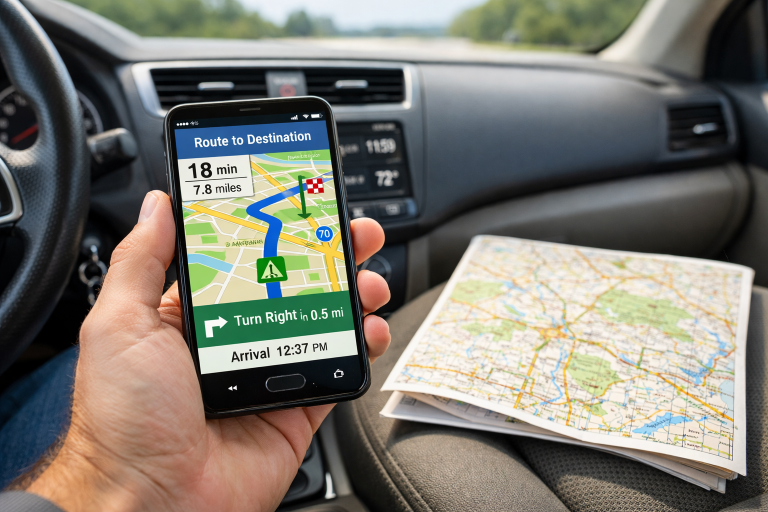
Gone are the days of getting lost with only a paper map in hand. Digital navigation solutions provide not just directions, but also alternative routes, current traffic data, and quick access to essential local information.
Modern travel is shaped by the ability to personalize routes, predict trends, and respond instantly to unexpected developments, all through intuitive and accessible interfaces. With these advancements, navigation apps have become essential travel companions at every stage of the journey.
The journey from paper maps to intelligent mobile apps has been marked by remarkable technological progress. Early travelers depended heavily on printed road atlases, which required planning each stop in advance.
The emergence of GPS technology in the 1990s and early 2000s marked a significant shift toward digital navigation, but these devices were often standalone units with pre-loaded data and limited flexibility. Modern apps leverage cloud connectivity, live data streams, and user-centric design, effectively replacing both paper and single-use hardware.
Today’s digital map platforms, such as Google Maps and Apple Maps, empower users to search, explore, and reroute dynamically. This evolution in navigation reflects broader changes in technology and user expectations. For more insight into the evolution of digital navigation, visit The New York Times.
Real-Time Updates and Personalization
Live traffic updates have become one of the most sought-after features in navigation apps. Commuters and travelers alike rely on timely information to avoid congestion, road closures, and other disruptions.
Google Maps’ ‘Ask Maps’ feature leverages artificial intelligence to provide users with a conversational experience, interpreting questions and delivering route suggestions tailored to individual preferences, frequent destinations, and historical travel patterns.
Apps also offer customized recommendations for attractions, dining, and accommodations along a route. By harnessing geo-location and behavioral data, apps adapt to the user’s needs, making suggestions based on time of day, previous visits, and even social media activity.
These capabilities help users make informed choices and enrich their travel experiences, providing added value beyond simply reaching a destination.
Offline Accessibility
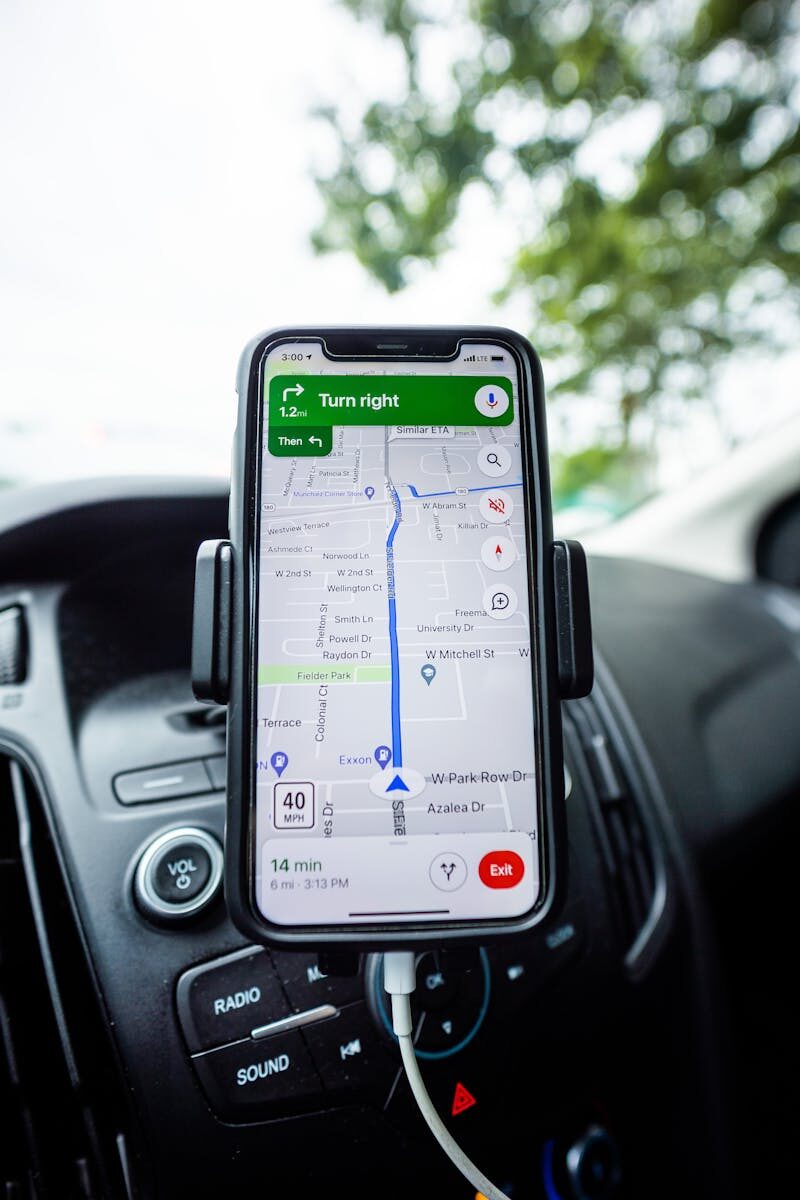
For travelers venturing into regions with limited cellular or Wi-Fi connectivity, offline access to navigation tools is crucial—many leading apps, such as Magic Earth and Maps, offer it. Now, allow users to download detailed digital maps beforehand. This capability ensures uninterrupted access to route information, turn-by-turn instructions, and points of interest, even when data service is unavailable.
Offline accessibility enhances safety and reliability for hikers, international travelers, and anyone exploring remote destinations. The ability to pre-load digital maps and rely solely on a device’s built-in GPS fosters a sense of security and opens up opportunities for more adventurous journeys. For further reading on this trend, check out The Wall Street Journal.
Impact on Travel Behavior
Navigation apps do far more than just help users reach their destinations. They have fundamentally altered travel habits by empowering spontaneous decisions, making detours easier, and encouraging exploration of lesser-known attractions.
Recent studies show that more than 80 percent of global travelers now use navigation apps as a central tool during trips, and Google Maps remains the top choice for both domestic and international journeys.
Easy access to up-to-date information enables travelers to adjust plans dynamically, avoid risks, and take advantage of real-time suggestions. This flexibility is especially powerful in unfamiliar places or challenging environments, facilitating unique experiences and boosting decision-making confidence.
Enhancing the Commuting Experience
Daily commutes have been transformed by navigation and mobile connectivity. Where once commutes meant lost time, they now offer opportunities for productivity, leisure, and connection. Smartphones make it possible to check emails, stream music, read the news, or coordinate tics on the fly, all while following optimized routes presented by navigation apps.
Integrating with Broader Transportation Systems
Many apps now integrate data from public transportation, ride-sharing platforms, and cycling networks, enabling users to plan multimodal journeys. These features support efforts to reduce traffic congestion, environmental impact, and commuting stress, while also helping users find cost-effective and efficient travel alternatives.

Sharing Travel Experiences
Travelers increasingly use digital platforms to document and share memorable moments. Navigation apps play a central role by enabling users to review locations, create lists of favorite destinations, and share experiences with others through integrated social features.
This sharing culture helps surface hidden gems, connect communities, and drive global tourism trends. Recommendations posted online by peers and influencers often influence other users’ travel decisions, expanding the discovery of new destinations well beyond traditional tourist spots.
The future of digital navigation is being shaped by continuous advancements in artificial intelligence, augmented reality, and context-driven computing. Experts predict that digital maps and navigation apps will increasingly offer predictive routing, ultra-personalized assistance, and voice-activated features that work seamlessly across different transportation options.
User privacy and data security are also becoming top priorities as these apps collect and process more personal information. The coming years are likely to see improved transparency controls and the implementation of privacy-preserving AI systems.
Ultimately, tomorrow’s navigation tools promise even greater convenience, accessibility, and personalization, steadily enhancing the travel experiences of people around the world.
Digital maps and navigation apps have fundamentally impacted how travelers move, plan, and explore, cementing their role as indispensable tools for everyday life and lifelong adventures.